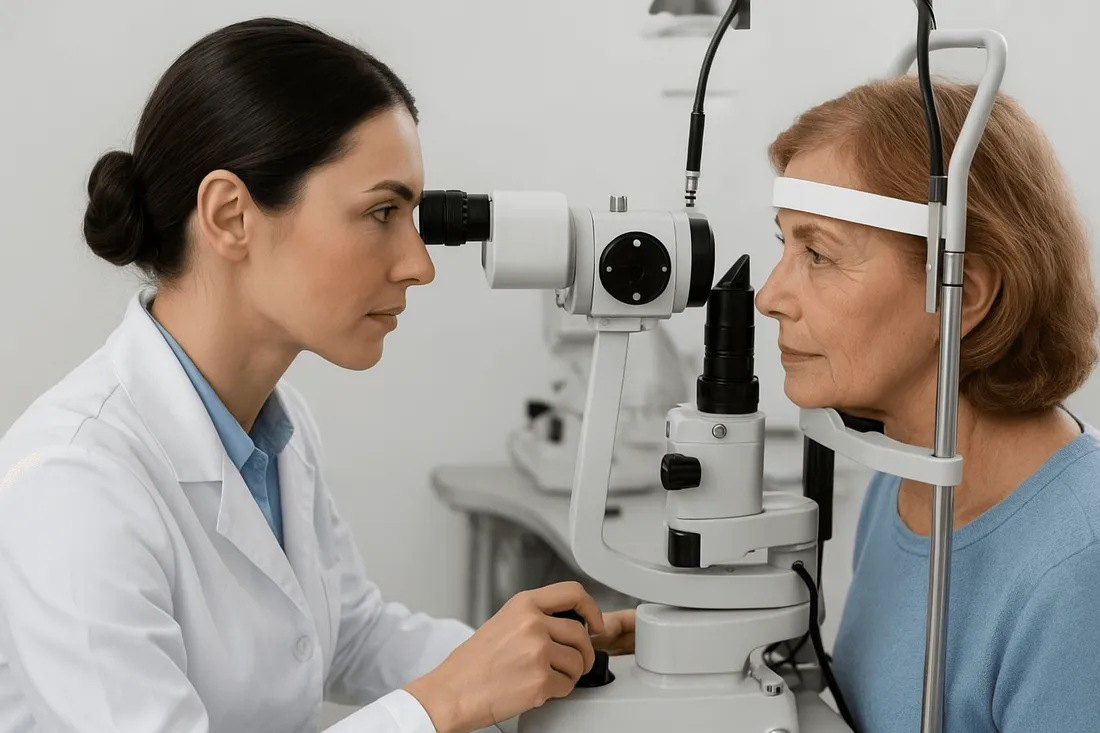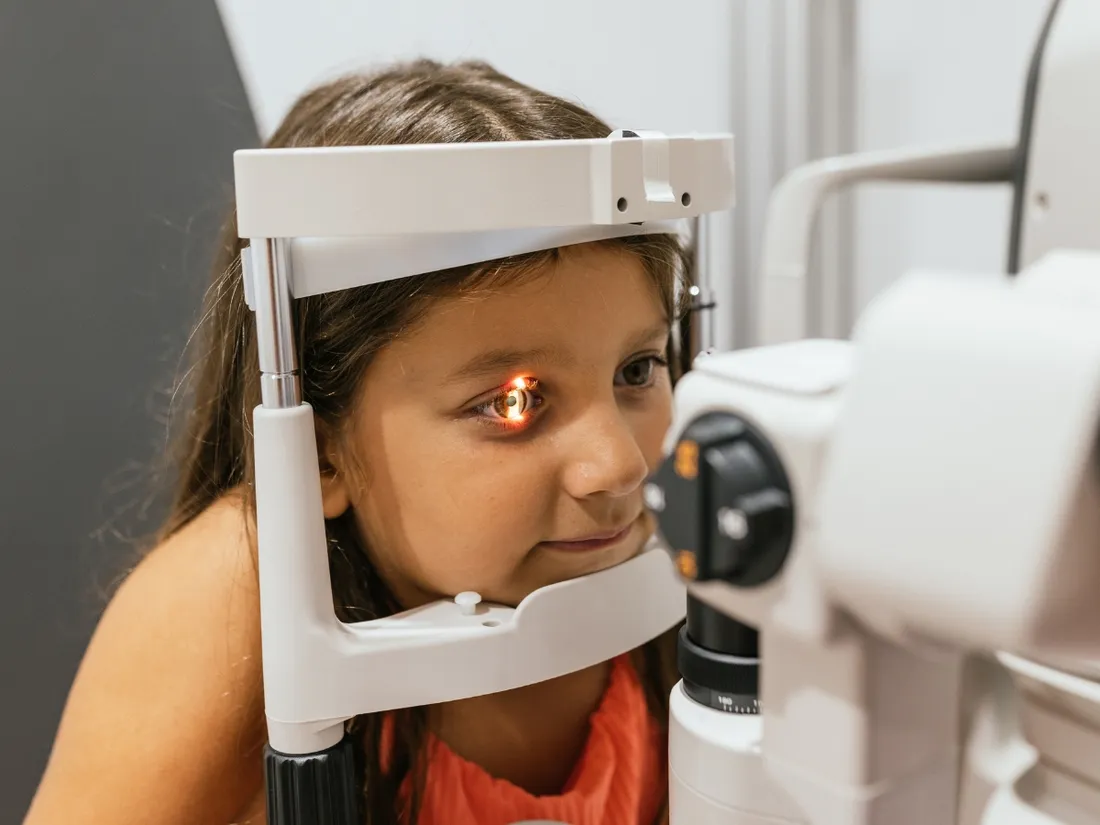
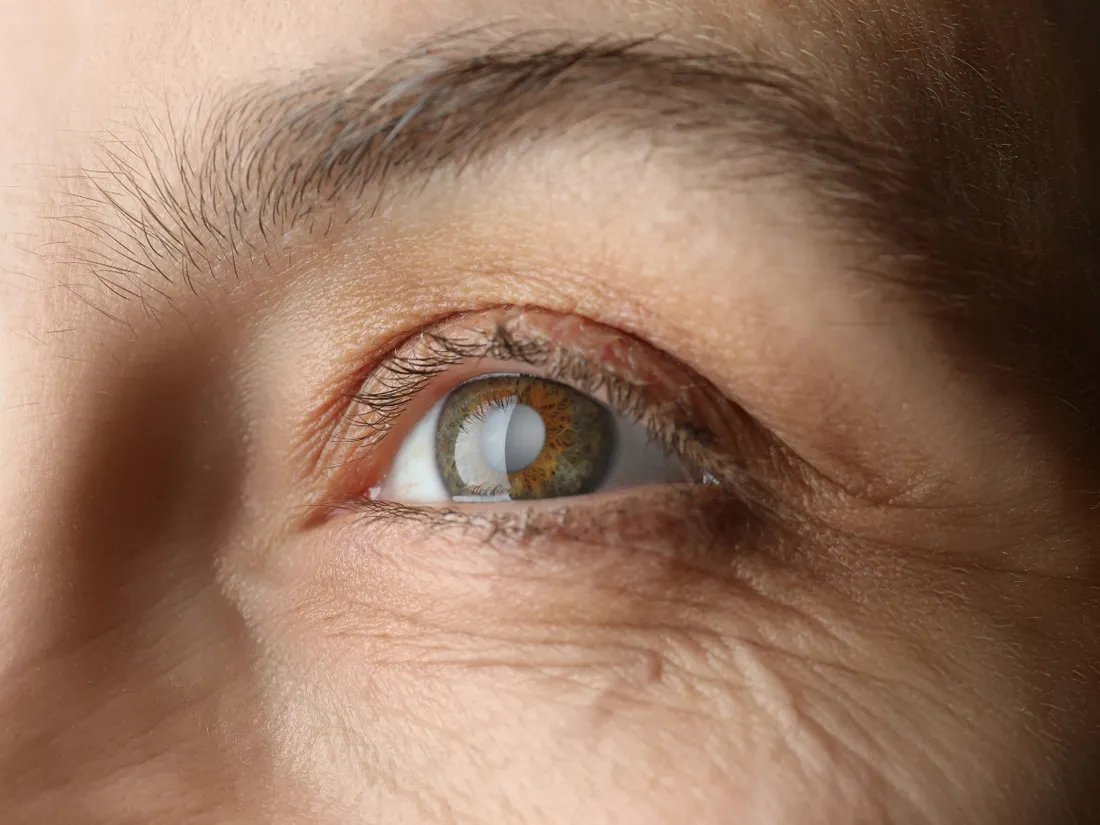
Generally, Cataract is condition where with age, our natural lens, which is crystal clear by birth starts becoming cloudy or white. Though there are other causes also.
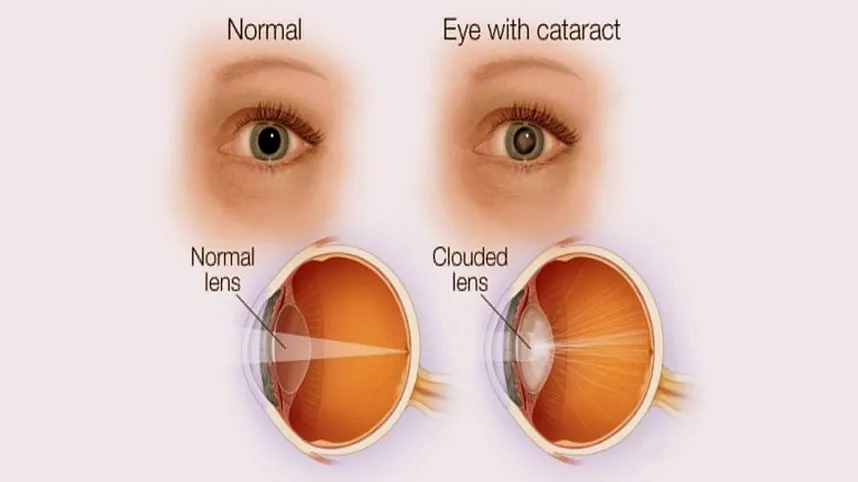
Causes of Cataract
- Aging- but there is genetic factor also which plays role in how early you will get it
- Congenital or Developmental Cataract- Cataract by birth which either remains same or increases
- Having certain systemic problem like uncontrolled Diabetes can lead to early or sudden Cataract
- Trauma to the eye- either direct or indirect- can lead to sudden &/or progressive Cataract
- Exposure to ultraviolet radiation (Spending lots of time in the Sun) can induce early Cataract
- Radiation treatment, especially upper body, can develop early Cataract
- Use of certain medications for long time can cause early development of Cataract e.g. Steroids
Dysfunctional Lens Syndrome
- “Dysfunctional Lens Syndrome” is a new name given to the aging changes in the lens- continuum of progression
- The term describes the natural changes in the crystalline lens after approximately age 42. It is a continuum that begins the day a person is born, basically an aging process of natural lens
- There are three stages of Dysfunctional Lens Syndrome
Stage 1 DLS: 42–50-year-olds
- Lens starts to stiffen, loses focusing power
- Loss of near vision
- Development of higher-order aberrations
- Treatment options: Generally, requires reading glasses. Potential candidates for corneal laser mono/blended vision and corneal inlays
Stage 2 DLS: 50 years and older
- Loss of accommodation
- Light scatter formation degrading vision
- Decreased contrast and night vision
- Treatment options: Requires reading glass. Potential candidates for refractive lens exchange or mono/blended laser surgery with good education
Stage 3 DLS: 65 years and older
- Full cataract
- Poor visual quality
- Nucleus of the lens yellows, affects color perception
- Opacity with degraded vision
- Treatment- Requires Cataract Surgery to improve the quality of vision which adds value to their quality of life
Symptoms
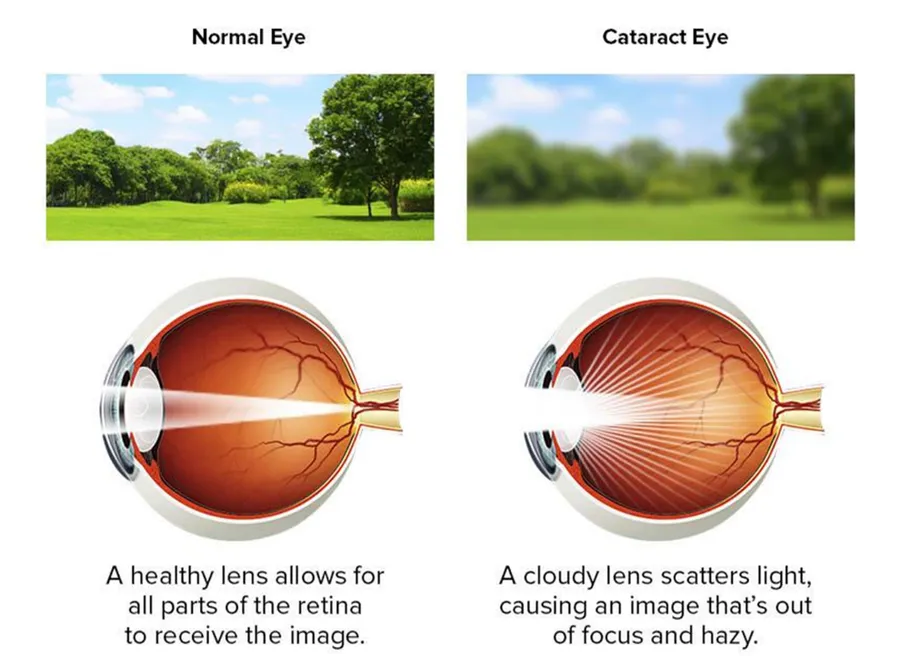
- Blurred or cloudy vision
- Seeing double (when you see two images instead of one) and sometimes multiple images especially when you look at the light source
- Increase in light sensitivity especially night time
- Seeing “Halos” around the lights
- Need more light especially when you try to read in dark
- Dull colors/fading or yellowing of colors
- Frequent change in the glasses
- Sudden improvement in reading without any glasses
Types of Cataracts– Based on location of the opacity:
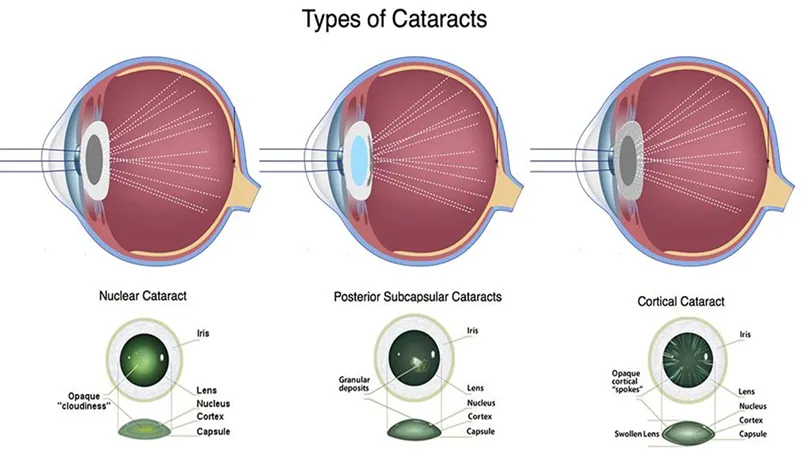
- Nuclear Sclerosis (NS)/Cataract
- Posterior subcapsular Cataract (PSC)
- Anterior Capsular Cataract (ASC)
- Capsular Cataract
- Cortical Cataract
- Posterior Polar Cataract (PPC)
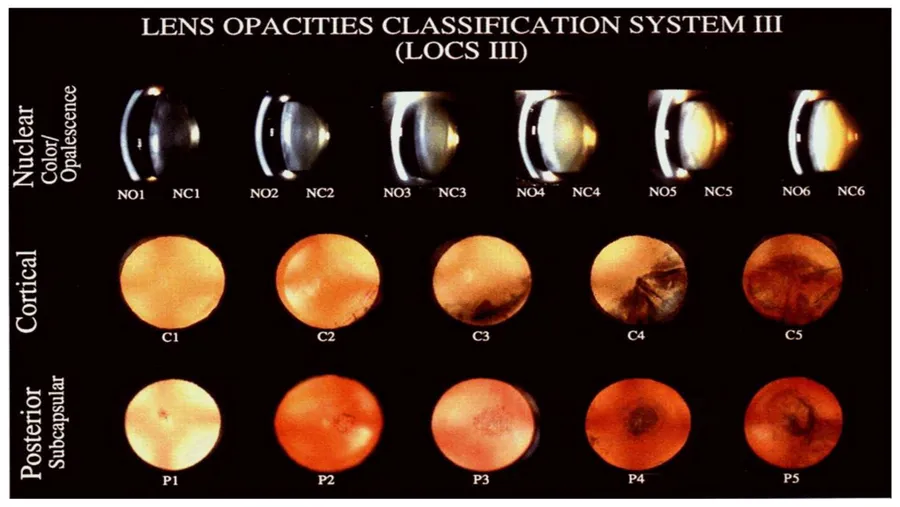
Based on the location and density the cataract is further classified – Lens Opacites Classification System III (LOCS III)
Management of Cataract
Once lens develops cataractous changes, there is no medication to reverse or prevent further progression of cataract
Surgery is the only option to treat cataract
Drugs, Eye drops, Spiritual healing and/or fasting will not help…
When the Cataract affects patient’s vision and affects day-to-day routine/lifestyle, then it needs to be removed surgically.
Any other helps?
Following measures can help you in very early stages for delaying or slowing down the changes:
- Healthy and mindful diet- Antioxidants
- Avoidance to Ultraviolet Radiation- wear UV protecting glasses in outdoor
- Control of Diabetes
Types of Technique
During Cataract Surgery- The clouded lens is removed and a Clear Artificial Lens (Intraocular Lens/IOL) is usually implanted
- PHACO (Phaco emulsification)
- MICS (Microincision Cataract Surgery)
- FLACS (Femto Laser Assisted Cataract Surgery)
- SICS (Small incision cataract surgery)
- ECCE (Extracapsular Cataract Extraction)
Phacoemulsification Technique
- Phacoemulsification is most popular, time-tested technique with consistent and satisfactory outcome, for more than 30 years
- In Cataract Surgery, through very small self-sealing incision, 1.8-2.8mm, the cataractous lens is removed by Phacoemulsification technique
- MICS – the incision is still reduced in size
- Here, natural lens is broken into small pieces by Phacoemulsification probe, which produces ultrasound waves and break it into very small pieces and aspirate them through very small port
- After removing the natural lens, one capsular bag will be left, in that bag artificial lens (Intraocular Lens – IOL) is implanted.
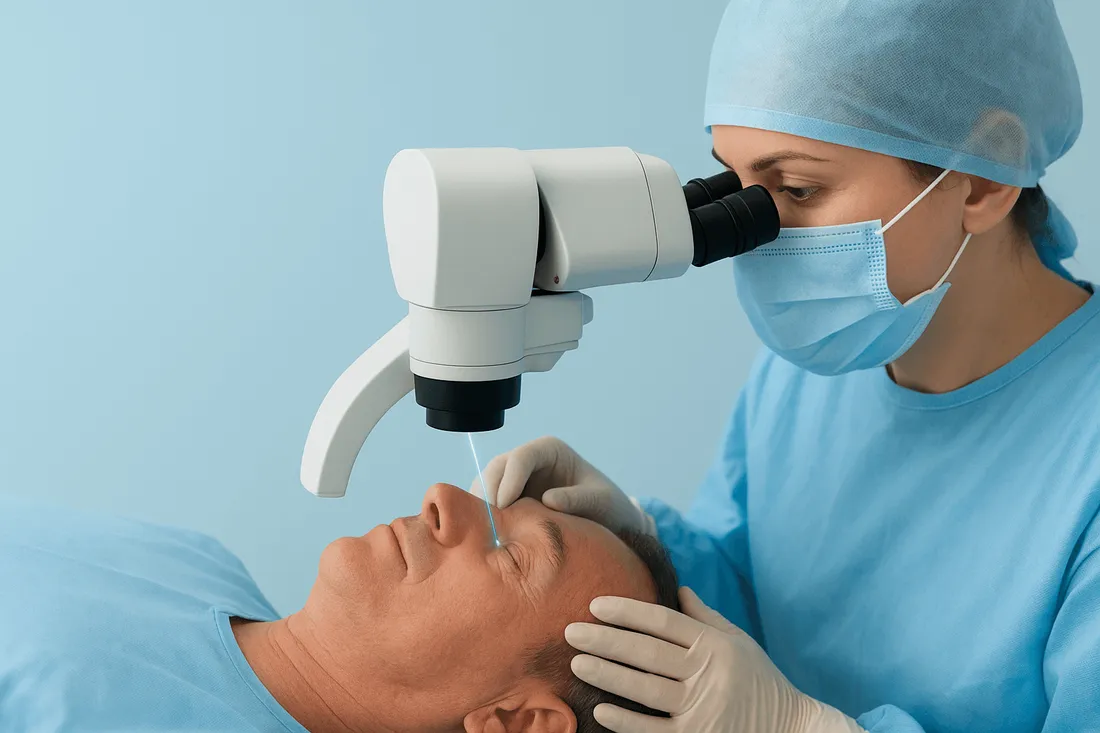
FLACS (Femtosecond Laser Assisted Cataract Surgery)/Robotic Cataract Surgery
- FLACS is the Femtosecond Laser assisted, also known as Robotic Cataract surgery
- Real Robotic surgery, is in pipeline and shortly will be available, where there is no human touch during surgery
- FLACS is the latest option available where couple of steps are done by Femtosecond laser, which will ease down surgeon’s job. After this, the remaining surgery is completed with the help of Phacoemulsification
- Though conventional Phaco has been giving consistent satisfactory outcome, FLACS has made it more safe, precise, and sophisticated. It is indicated in young patients and few complex cataract surgeries.
SICS (Small Incision Cataract Incision)
- In this technique, small scleral tunnel created, which is generally self-sealing, and the cataractous lens is removed in toto. There is no need for Phaco machine,
- With development of Phacoemulsification techniques, The SICS number has reduced.
- Though in some complex cases and camps, it is still a very useful technique with consistent and satisfactory outcome.
Intraocular Lens
After removal of Cataractous lens, Intraocular lens is implanted. Otherwise, patient will get around +10DS, very thick glass. Intraocular lens has power which is calculated before surgery to make patient see distant almost without major glass number.
There are different lenses available with different material and ability to focus.
| TYPE OF INTRAOCULAR LENS (IOL) | RANGE OF VISION |
| MONOFOCAL IOL | Clear vision at one distance (Usually far) |
| MULTIFOCAL IOL | Clear vision for near + far |
| TRIFOCAL IOL | Clear vision for far + intermediate + near |
| EDOF (Extended Depth of Focus) | Clear vision for far + computer/intermediate |
| ACCOMODATIVE IOL | Designed in such a way, that it partially keeps bag function/accommodation- to help see near |
| LIGHT ADJUSTABLE LENS | Fine-tuned after surgery with UV light- not available |
| TORIC IOL | Corrects astigmatism along with all above options |
All Multifocal/Trifocal and EDOF lenses have shown to increase levels of spectacle independence, however all these lenses may be associated with unwanted photic phenomena such as glare, halos, and contrast difference. Also, few occasions then may require to wear small reading glasses, even though they have ability read near or intermediate.
You can discuss with your doctor, the type of Lens recommended according to your requirement
Possible Complications after Cataract Surgery
Today, Cataract surgery has become very sophisticated and safer with lots of advancements.
Dryness is commonly observed side effect of Cataract Surgery.
Though complications are not common, some of the complications can be observed.
- Infection
- Inflammation
- Loss of support to position the Intraocular Lens Implant (IOL)
- Retained particle of Lens
- Lens/IOL dropped in vitreous
- Secondary Glaucoma
- Corneal decompensation
- After Cataract (Posterior Capsule Opacification)
Psychological impact on patient after cataract surgery
- Cataract will cause dull vision and blurry vision, decreased contrast in dim light, diminished color perception and fluctuation in the vision.
- Cataract surgery dramatically improves quality of vision
- Better quality vision decreases chance of fall. Ultimately it leads to better quality of life and gives them sense of independence and well-being.
- There is also chance to become independent of glass, this option, you can discuss with your doctor.

M.S. (Ophth), FLVPEI (Cornea & Anterior Segment). Medical Director, CSR Eye Hospital, Hyderabad, with 29+ years of experience in cataract, cornea and refractive surgery.
View full profile →