Systemic Diseases & Eye

Eye is only organ in our body, where we can see blood vessels directly. It is understood that Retina shows mirror image of the status of your whole body.

Many systemic diseases can present with eye changes or eye problem, like-

  • Diabetes Mellitus
  • Hypertension
  • Abnormal lipid profile &/or heart diseases
  • Immunological Diseases like Rheumatoid Arthritis, Sarcoidosis, Ankylosing spondylitis etc
  • Thyroid diseases
  • Tuberculosis
  • Malignancy/Tumors/Cancer
  • Herpes, STD, HIV etc. infection
  • Many more….


DM & EYE

  • Diabetes interferes with the body’s ability to use and store sugar (glucose). The disease is characterized by too much sugar in the blood, which can cause damage throughout the body, including the eyes
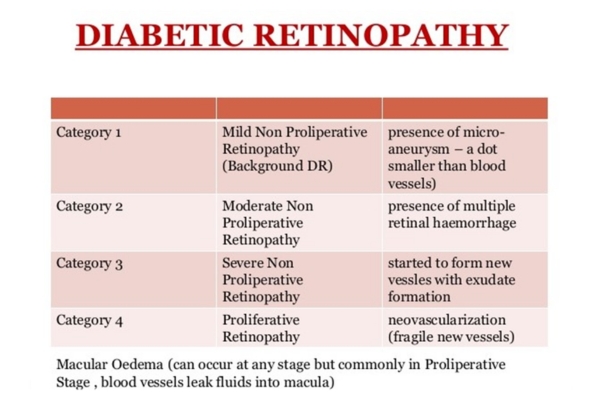
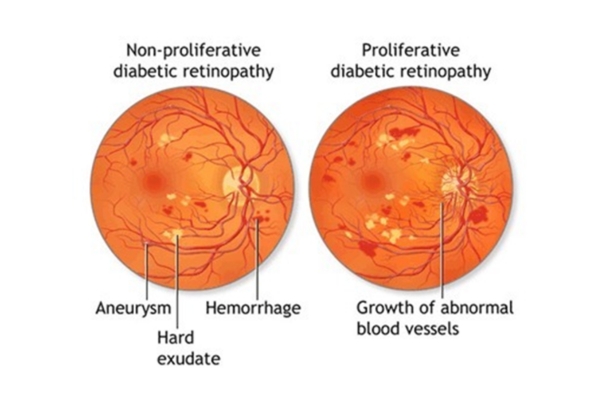
  • Diabetic retinopathy occurs when DM causes damage of small blood vessel wall, supplying to Retina. These tiny blood vessels leak blood and fluids causing serious threat to vision
  • Symptoms of diabetic retinopathy- Seeing spots or floaters, Blurred vision or sudden loss of vision, having a dark or empty spot in the center of your vision, Difficulty seeing well at night. In early stages, there will not be any symptoms.
  • The longer a person has diabetes, the more likely he or she is to develop diabetic retinopathy, particularly if the diabetes is poorly controlled
  • People with other medical conditions, such as high blood pressure and high cholesterol, are at greater risk
  • Pregnant women face a higher risk for developing diabetes and diabetic retinopathy. If a woman develops gestational diabetes, she has a higher risk of developing diabetes as she ages
Management:

  • It is very important to go for comprehensive dilated Eye (Retina) examination once a year, even if DM is under control
  • If there is Diabetic Retinopathy, then, other investigations recommended- Fundus Fluorescein Angiography (FFA) and Posterior Segment Optical Coherence Tomography (OCT/OCT-A)
  • Early detection and treatment can limit/control the potential for significant vision loss from diabetic retinopathy
  • Early stages- only control of DM with regular checkup, more serious stages are treated with Retina lasers and Anti-VGEF injection. Very advanced cases require Vitrectomy surgery

HT & EYE

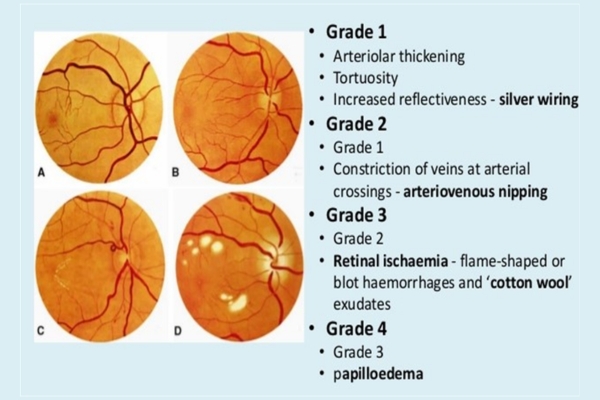
  • Along with causing heart and kidney problems, untreated high blood pressure can also affect your eyesight and lead to eye disease. Hypertension can cause damage to the blood vessels which also includes blood vessels of retina, which is known as hypertensive retinopathy
  • The damage can be serious if hypertension is not treated
  • Management is primarily on control of HT

Risk factors for Hypertensive Retinopathy:

  • prolonged high blood pressure
  • heart disease
  • atherosclerosis
  • diabetes
  • smoking
  • high cholesterol
  • being overweight
  • eating an unhealthy diet
  • heavy alcohol consumption

Pathophysiology of Hypertensive Retinopathy

Condition Pathophysiological mechanism Signs
Acute hypertension
  • Vasospasm
  • Increased vascular tone
  • Generalized arteriolar narrowing
Chronic hypertension
  • Intimal thickening, media wall hyperplasia, hyaline degeneration of arterioles
  • Compression of venules at their common adventitial crossings
  • Diffuse and focal narrowing (“copper-wiring”) and opacification (“silver-wiring”) of arteriolar walls
  • ‘Arteriosclerotic stage’: arteriovenous nicking
Severe hypertension
  • Inner blood-retinal barrier breakdown
  • Necrosis of vascular smooth muscle and endothelial cells
  • Persistent damage to retinal microvasculature
  • ‘Exudative stage’: exudation of blood (retinal hemorrhages) and lipids (hard exudates)
  • Nerve fiber layer ischemia (cotton wool spots)
Accelerated hypertension
  • Intracranial pressure elevation
  • Fibrinoid necrosis of choroidal arterioles
  • Hypertensive optic neuropathy/malignant retinopathy
  • Optic nerve ischemia
  • Optic disc swelling (papilloedema)
  • Hypertensive choroidopathy
  • Infarction of segment of choriocapillaris
  • RPE infarcts: Elschnig’s spots
  • Linear RPE hyperplasia over infarcted choroidal arterioles (Siegrist’s streaks)
  • Localized bullous neurosensory/RPE detachments

Management is same like Diabetic Retinopathy

OTHER BLOGS :

Menu