
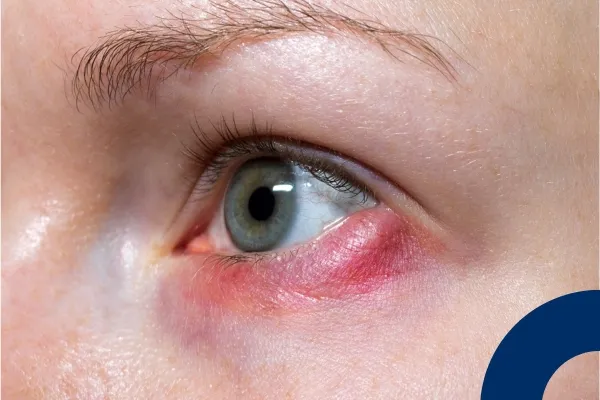
Prevalence of Eye Allergy
Eye allergies are common and occur in approximately 10% of all children. Symptoms of eye allergies may be the only allergic response, or they can be associated with nasal congestion, runny nose, scratchy throat, cough and more.
Eye Allergy Trigger factors
- Outdoor allergens, such as pollens from grass, trees, and weeds
- Indoor allergens, such as pet dander, dust mites and mold
- Irritants, such as cigarette smoke, perfume, and diesel exhaust
Eye allergy symptoms:
- Itchy eyes
- Excessive rubbing of the eyes
- Redness or pinkness to the whites of the eyes
- Whitish elevation/Papillae at Limbus- junction of Cornea and Conjunctiva
- Swelling of the eyelids or redness of the eyelids
- Excessive tearing
- Sometimes slight ropy discharge
- Glassy-looking eyes
Management of Eye Allergy
Prevention of Allergy
- Outdoor exposure:
- Stay indoors as much as possible when pollen counts are at their peak, usually during the midmorning and early evening, and when wind is blowing, pollens are around.
- Avoid using window fans that can draw pollens and molds into the house.
- Wear glasses or sunglasses when outdoors to minimize the amount of pollen getting into your eyes.
- Try not to rub your eyes, which will irritate them and could make your condition worse.
- Indoor exposure:
- Keep windows closed and use air conditioning in your car and home. Air conditioning units should be kept clean.
- Reduce exposure to dust mites, especially in the bedroom by using “mite-proof” items
- Wash your bedding frequently, using hot water (at least 130 degrees Fahrenheit).
- To limit exposure to mold, keep the humidity in your home low (between 30 and 50 percent) and clean your bathrooms, kitchen, and basement regularly. Use a dehumidifier, especially in the basement and in other damp, humid places, and empty and clean it often
- Clean floors with a damp rag or mop, rather than dry-dusting or sweeping
- Exposure to pets:
- Wash your hands immediately after petting any animals. Wash your clothes after visiting friends with pets.
- If you are allergic to a household pet, keep it out of your home as much as possible. If the pet must be inside, keep it out of the bedroom so you are not exposed to animal allergens while you sleep.
- Close the air ducts to your bedroom if you have forced air or central heating or cooling
- Replace carpeting with hardwood, tile, or linoleum, all of which are easier to keep dander-free
Treatment of Allergy
“NO RUBBING OF EYES”
- Treatments are topical drops – most of the time used for long term
- Encourage child not to rub the eyes as he can have some serious future ramification in eye
- As most of allergy problems are seasonal, seasonal extra care of eyes are very important
- Allergy and Dry eye- as both goes hand in hand- treatment should be focused on both- Lubricants and Anti-Allergy medications
Important facts for Allergy in children
- There is no permanent treatment, as whenever a child is exposed to allergen which they are allergic to, child is bound to develop allergic reaction in eye
- As treatment can be same and for long-term, Self-medications should be avoided
- Once child matures, allergy incidences reduce or stop.

Written by
M.S. (Ophth), FLVPEI (Cornea & Anterior Segment). Medical Director, CSR Eye Hospital, Hyderabad, with 29+ years of experience in cataract, cornea and refractive surgery.
View full profile →